
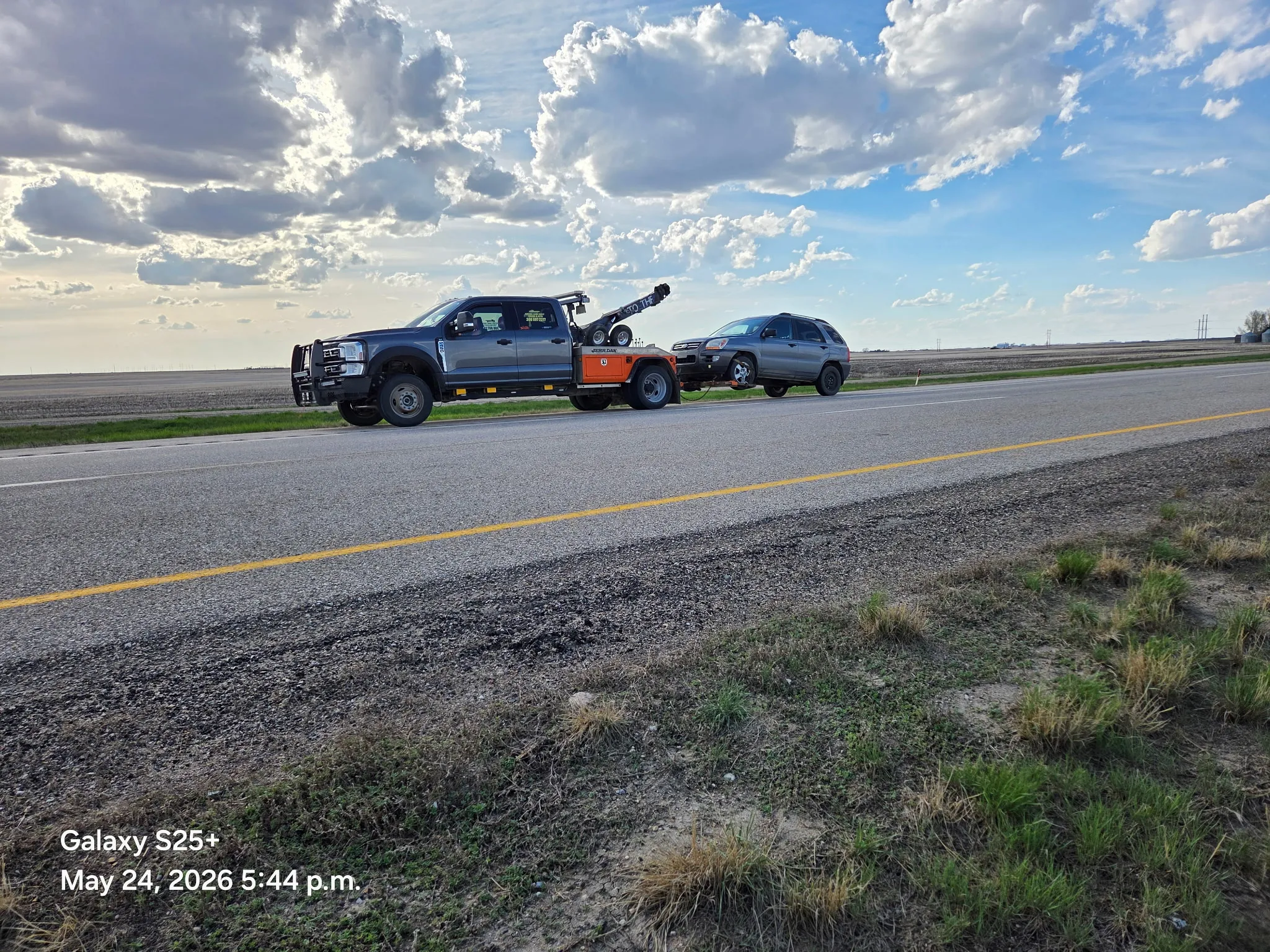

The Logistics of Agricultural Hauling in Southern Saskatchewan
From the farms surrounding Regina, Balgonie, and Pilot Butte to the large equipment dealers in Emerald Park, the sight of tractors, seeders, and combines on our roads is a constant. However, transporting these oversized and heavy machines is a major logistical challenge. Hauling agricultural machinery requires specialized equipment, knowledge of weight distribution, and strict adherence to Saskatchewan highway safety regulations. For farmers and operators, partner-level support for hauling farm equipment Regina is crucial to protecting these valuable assets during transit.
1. Weight Distribution and Center of Gravity
Agricultural equipment is rarely uniform in shape or weight. Tractors have massive rear tires and heavy engines, while implements like seed drills have wide, folding frames. Placing these items on a flatbed or step-deck trailer requires careful calculation of the center of gravity. If the load is placed too far forward, it overloads the truck's drive axles; too far back, it reduces steering control. Professional hauling teams adjust the placement to ensure optimal weight distribution across all axles, reducing wear and maintaining stability on the highway.
2. SGI Regulations and Oversized Permits
In Saskatchewan, moving equipment that exceeds standard width, height, or weight limits requires special permits and signs. Hauling a wide implement down Highway 1 or Highway 6 means coordinating with SGI and provincial traffic guidelines.
- Oversized Signage: Bright "D" signs or "Wide Load" banners must be clearly displayed on both the front of the transport truck and the rear of the trailer.
- Warning Lights: Amber flashing beacons are required on the transport vehicle to alert oncoming traffic.
- Pilot Cars: For extremely wide loads (typically over 5 meters), pilot cars are mandatory to lead and follow the transport, warning traffic and helping navigate tight intersections.
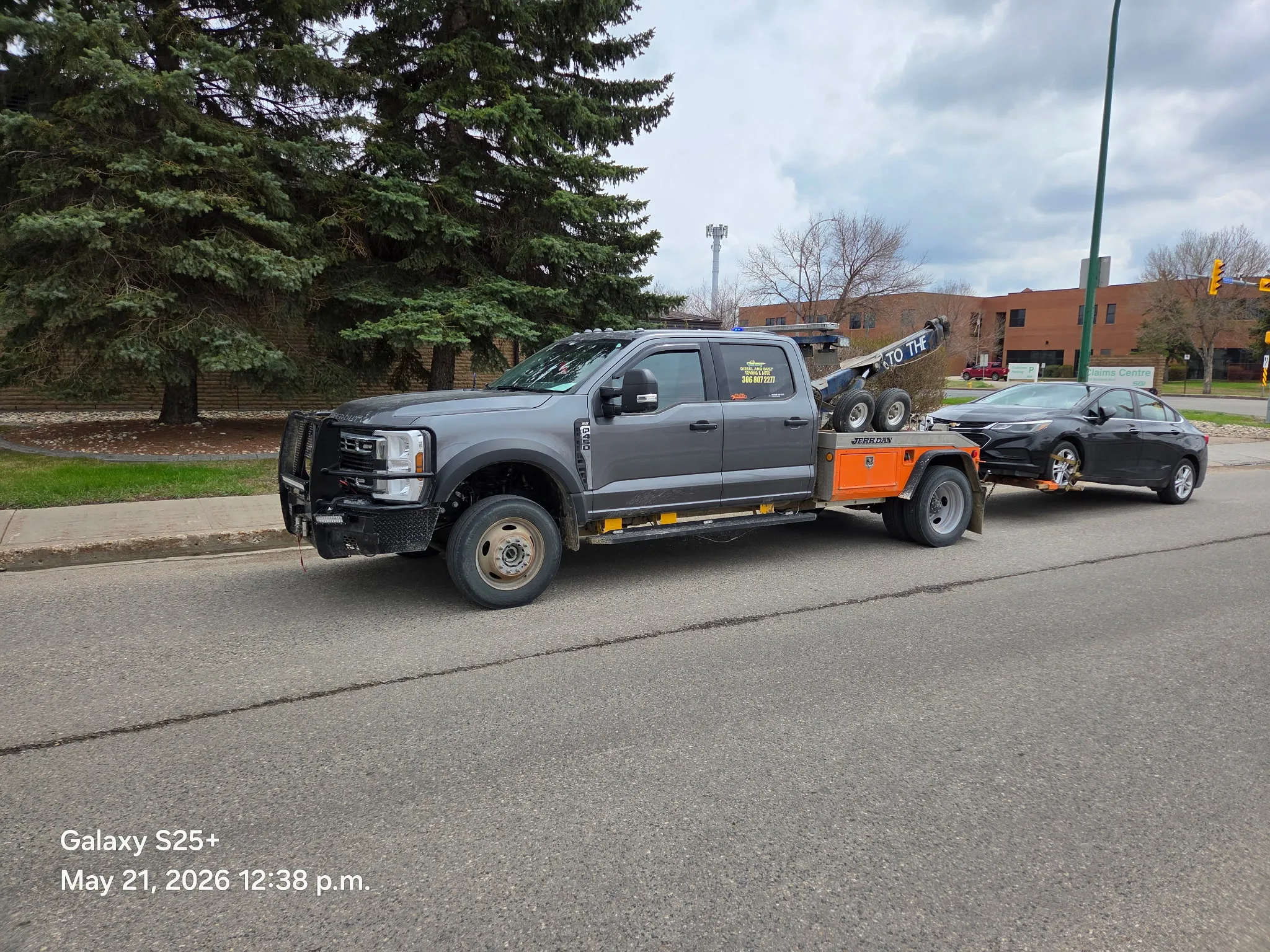
3. Grade 70 Transport Chain Securement
Standard nylon straps are not rated for heavy agricultural machinery. Saskatchewan cargo securement laws mandate the use of heavy-duty Grade 70 transport chains and ratcheting binders to lock the machinery to the trailer. A tractor, for example, must be secured at a minimum of four points using direct tie-downs, with additional chains for any attachments like loaders or backhoes. This prevents the machinery from shifting under sudden braking or during turns on Regina's grid roads.
4. Height Clearance and Route Planning
Saskatchewan has many low-clearance bridges, overhead power lines, and traffic signals. When a transport trailer is loaded with a tall combine or air seeder, a route that works for a standard semi-truck might be impassable. Professional logistics planning includes measuring the load height on the trailer and mapping out a route that bypasses low obstructions, preventing catastrophic collisions with provincial infrastructure.
Conclusion: Trust the Regina Agricultural Hauling Experts
Moving heavy farm machinery is a highly specialized task that should only be handled by experienced logistics professionals. At Diesel and Dust Towing & Auto, we have the specialized trailers, heavy-duty chains, and certified drivers needed to haul agricultural and construction equipment safely across Saskatchewan. Whether you are moving a tractor to a repair shop or hauling implements to a new quarter-section, we are ready to assist. Contact us at (306) 807-2277 to coordinate your next haul.

Diesel and Dust Towing & Auto Team
Professional Recovery Specialists
Regina's leading authority on safe vehicle transport and roadside recovery. Our team brings decades of combined experience to the Saskatchewan roads, ensuring every driver gets home safely.
Continue Reading
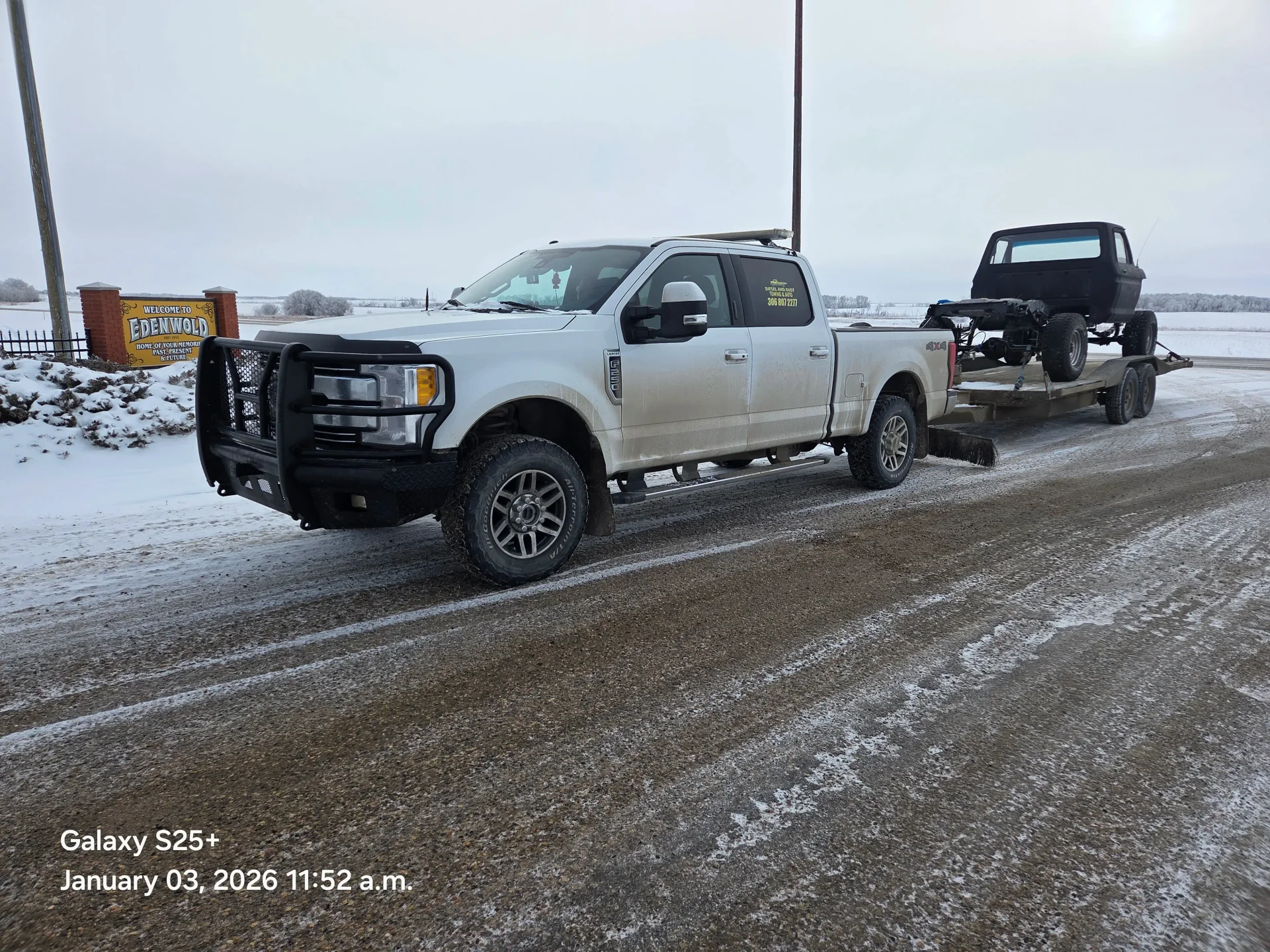
Winter Roadside Safety Regina
Surviving a vehicle breakdown in a Saskatchewan winter requires more than just a warm coat. Learn the technical safety protocols every Regina driver needs.
Collision Recovery Regina Ring Road
An accident on the Ring Road or Pasqua Street is high-stress. Follow this step-by-step recovery guide to manage the scene safely.