Regina's Busy Arteries: Managing Collision Chaos
The Regina Ring Road, Lewvan Drive, and major intersections like Victoria Avenue and Arcola Avenue are the lifeblood of our city's logistics. However, they are also the site of the majority of local collisions. In the immediate aftermath of an accident, your adrenaline is high, and your decision-making can be compromised. This comprehensive guide walks you through the professional-grade responses required to manage a collision recovery Regina Ring Road scene safely and efficiently.
Every Regina driver should know that the "danger zone" doesn't end when the cars stop moving. In many ways, that is when the most significant risk begins. Secondary accidents—where passing drivers strike the already crashed vehicles or their occupants—are a primary cause of roadside fatalities in Saskatchewan.
1. Immediate Scene Safety: The 'First 60 Seconds'
The moments following a collision are critical. On high-speed routes like the Ring Road, the speed of passing traffic makes any presence on the shoulder extremely dangerous.
- Stay Calm and Assess: Your first instinct might be to jump out of the car. Don't. Take five deep breaths. Check yourself and any passengers for hidden injuries. Adrenaline masks pain, so look for blood or signs of shock (confusion, shivering).
- Communication: If anyone is in pain, incapacitated, or if there is smoke/fire, call 911 immediately. In Regina, the emergency dispatch works closely with local towing services to manage scene safety.
- The Perimeter Strategy: If your vehicle is still driveable and it is safe to do so, move it as far onto the shoulder as possible. If it is immobilized in a traffic lane, stay inside with your seatbelt buckled until a professional tow truck Regina arrives to provide a safety buffer.
2. Documentation for SGI: Navigating the Saskatchewan System
Saskatchewan's public insurance system (SGI) requires detailed evidence for successful claims processing. While waiting for a collision recovery Regina Ring Road tow truck, gather as much data as possible without putting yourself at risk.
- The Visual Record: Take high-resolution photos of all vehicles involved. Start with wide shots that show the position of the cars relative to the lane markings and signage. This helps adjusters understand the "fault" dynamics. Then, take close-ups of specific damage and license plates.
- Exchange of Data: You need more than just a name. Get their driver's license number, plate number, and insurance provider (if they aren't from Saskatchewan). Also, note the exact time and date.
- Witness Evidence: If other drivers stop, ask for their names and phone numbers. Their independent testimony can be the difference between a "split fault" and a "no fault" decision by SGI.
3. Choosing the Right Tower: Your Legal Rights in Regina
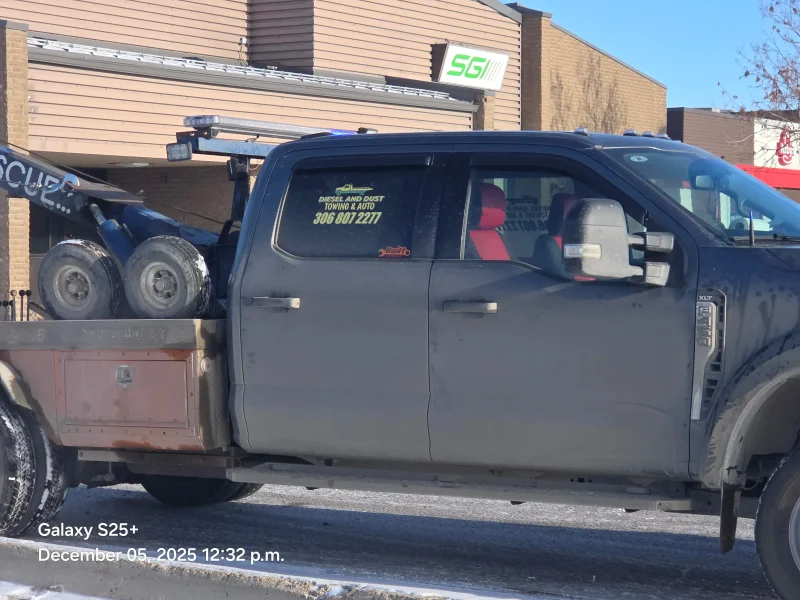
In Regina, there is often a misconception that you must use whatever truck arrives first. This is categorically false. As the vehicle owner, you have the legal right to choose your recovery provider. You can request Diesel and Dust Towing & Auto by name.
Why does your choice of tow truck Regina matter?
- Accreditation: An SGI-accredited company like ours understands the specific paperwork and invoicing standards required for seamless claims.
- Scene Management: A professional dispatcher will provide you with an accurate ETA and safety advice while you wait. We use high-visibility "fend-off" techniques to shield your car while our operators work.
- Specialized Equipment: Many modern vehicles feature AWD systems or aluminum frames that require specific handling to avoid secondary damage during recovery.
4. The Transport Process: Where Does Your Vehicle Go?
Following a collision recovery Regina Ring Road, your car doesn't just disappear. You are in control of its destination.
- SGI Claims Center: If the vehicle is severe, we typically transport it directly to the SGI Claims Center on 6th Avenue in Regina. This ensures an adjuster can view it immediately.
- Certified Collision Center: If you have a preferred body shop (e.g., in the East end or North industrial area), we can deliver it directly to their intake yard.
- Our Secure Compound: If the accident happens at 2:00 AM, most repair shops are closed. We provide a 24/7 secure, monitored holding facility where your vehicle can stay until you decide on the next steps.
5. Handling Secondary Hazards: Fluids & Debris
Collisions often result in leaking coolant, oil, or transmission fluid, along with broken glass and plastic. These are environmental and safety hazards on Albert Street or the Trans-Canada. At Diesel and Dust Towing & Auto, we don't just take the car; we clean the scene. We use industrial absorbents to manage fluid spills and ensure the roadway is clear for the next driver. This is the difference between a "basic tow" and professional collision recovery Regina.
Conclusion: A Calm Presence in the Storm
A collision is a traumatic, high-stress event. Having a clear plan—and a trusted partner on speed dial—makes all the difference. Diesel and Dust Towing & Auto provides more than just a truck; we provide scene safety, technical expertise, and an advocate for your vehicle's integrity throughout the SGI process.
Keep our number in your glovebox: (306) 807-2277. We specialize in accident scene management and collision recovery Regina Ring Road, providing the professional service you deserve when you need it most. Stay safe, Regina.
Diesel and Dust Towing & Auto Team
Professional Recovery Specialists
Regina's leading authority on safe vehicle transport and roadside recovery. Our team brings decades of combined experience to the Saskatchewan roads, ensuring every driver gets home safely.
Continue Reading
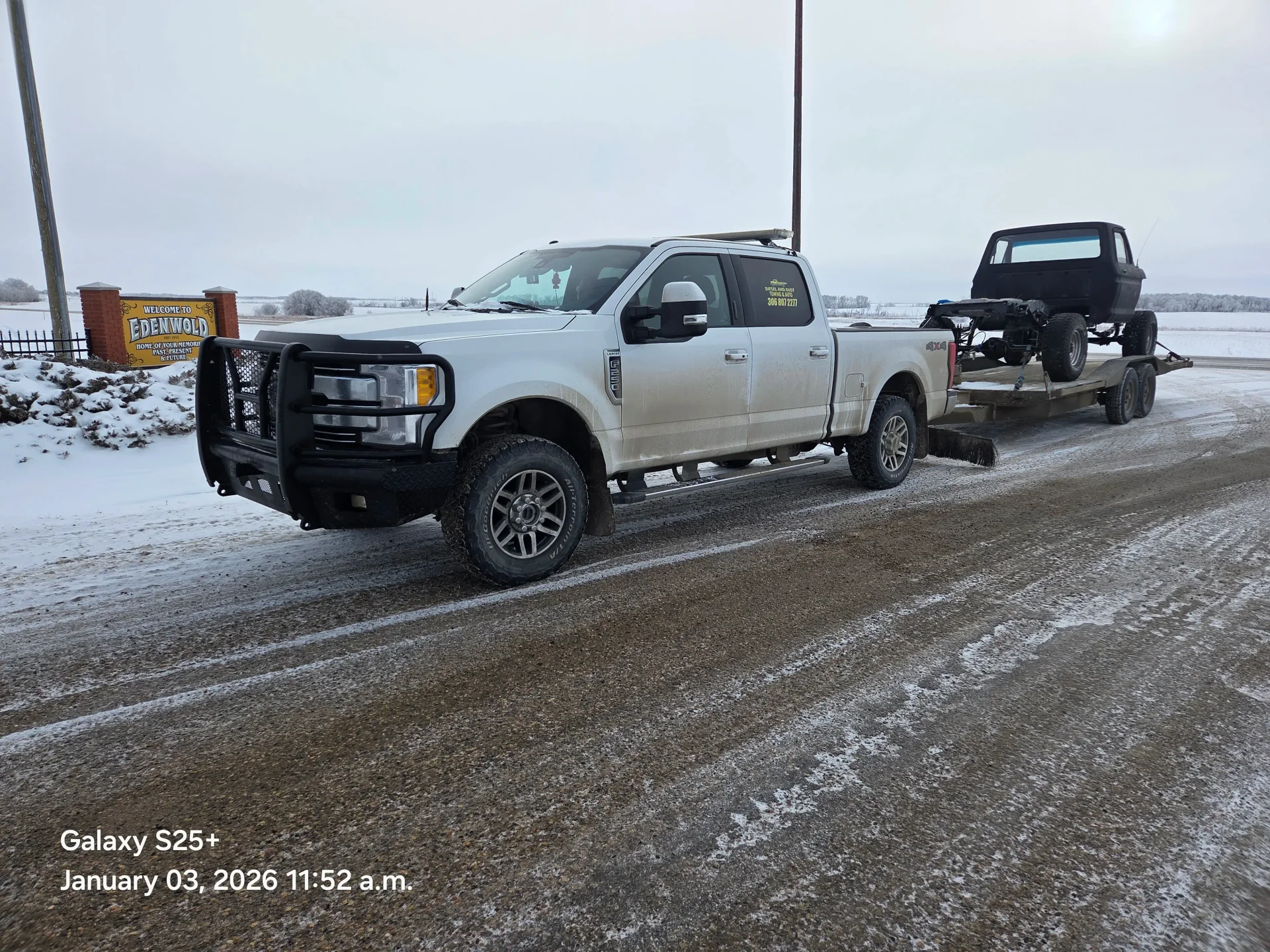
Winter Roadside Safety Regina
Surviving a vehicle breakdown in a Saskatchewan winter requires more than just a warm coat. Learn the technical safety protocols every Regina driver needs.
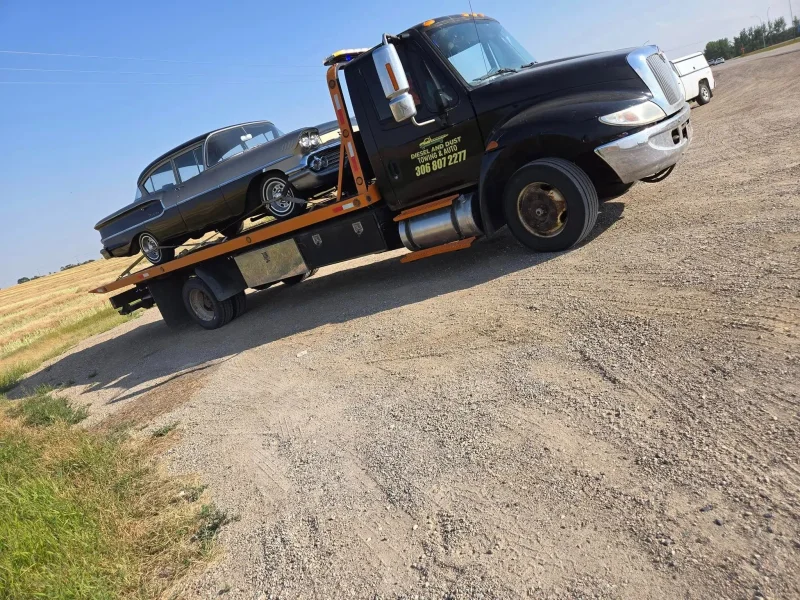
AWD Flatbed Towing Regina Benefits
Towing an All-Wheel Drive vehicle incorrectly can cause thousands in drivetrain damage. Here is why flatbed service is non-negotiable.